
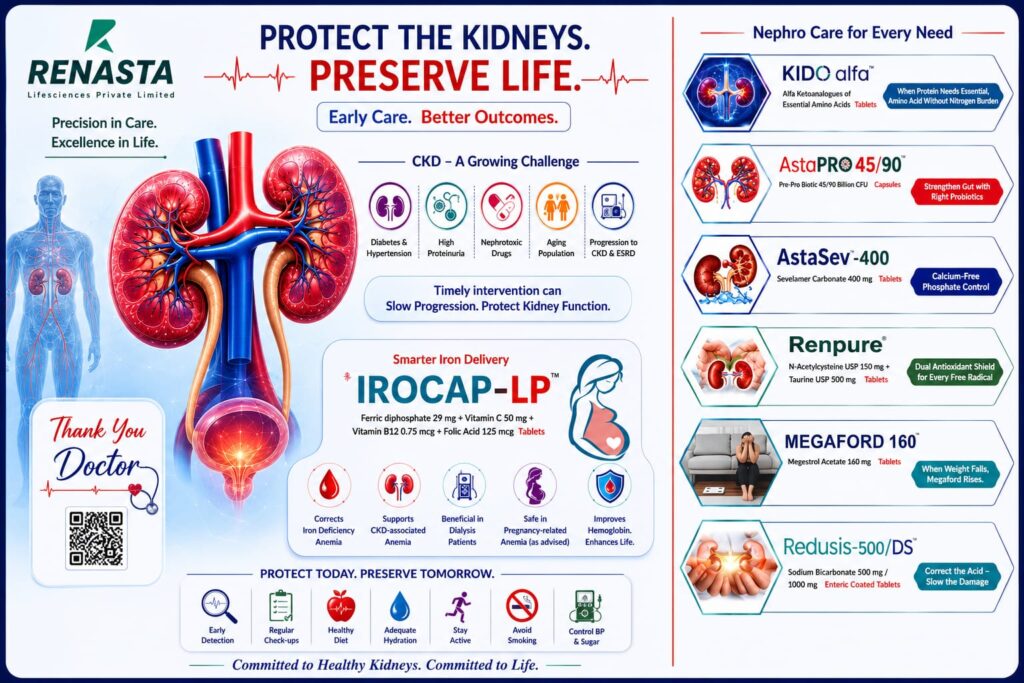
Protect the Kidneys. Preserve Life.
Why Kidney Health Matters More Than Ever
The kidneys are among the most hardworking organs in the human body. Every day, they filter nearly 180 liters of blood, remove toxins, regulate fluid and electrolyte balance, maintain healthy blood pressure, produce hormones that stimulate red blood cell formation, and keep our bones healthy.
Unfortunately, kidney disease often develops silently. By the time symptoms appear, significant and irreversible damage may already have occurred. This is why early detection, timely intervention, and comprehensive disease management are the keys to preserving kidney function and improving quality of life.
Chronic Kidney Disease (CKD): A Growing Global Health Challenge
Chronic Kidney Disease (CKD) affects nearly 850 million people worldwide, making it one of the fastest-growing non-communicable diseases. The burden is particularly high in countries like India due to the rising incidence of diabetes, hypertension, obesity, and aging populations.
CKD is not merely a kidney disorder—it is a systemic disease that impacts multiple organs and significantly increases the risk of cardiovascular complications.
Major Risk Factors
- Diabetes Mellitus
- Hypertension
- Cardiovascular Disease (CVD)
- Obesity
- Aging
- Long-term use of nephrotoxic medications
- Recurrent kidney infections
- Family history of kidney disease
- Smoking and unhealthy lifestyle
The Kidney–Heart Connection: Why CVD and CKD Go Hand in Hand
The kidneys and heart work as one integrated system.
When kidney function declines:
- Blood pressure rises.
- Fluid accumulates in the body.
- The heart has to pump harder.
- Blood vessels become damaged.
- Inflammation and oxidative stress increase.
Patients with CKD are far more likely to die from cardiovascular disease than from kidney failure itself.
Common cardiovascular complications include:
- Heart failure
- Coronary artery disease
- Stroke
- Left ventricular hypertrophy
- Peripheral vascular disease
Similarly, heart diseases reduce blood flow to the kidneys, further worsening kidney damage. This creates a dangerous Heart–Kidney Cycle (Cardiorenal Syndrome).
Diabetes: The Leading Cause of Kidney Failure
Diabetes is responsible for nearly 40–50% of CKD cases.
Persistently elevated blood sugar damages the tiny filtering units (glomeruli), leading to:
- Protein leakage in urine (Proteinuria)
- Reduced filtration (eGFR decline)
- Progressive kidney damage
- End-stage renal disease (ESRD)
The good news is that strict blood sugar control, blood pressure management, and regular screening can significantly delay disease progression.
CKD-Associated Anemia: An Often Overlooked Complication
Healthy kidneys produce erythropoietin, a hormone that stimulates red blood cell production.
As kidney disease progresses:
- Erythropoietin production decreases.
- Iron deficiency develops.
- Hemoglobin falls.
- Patients experience fatigue, weakness, breathlessness, poor exercise tolerance, and reduced quality of life.
Appropriate iron supplementation and correction of nutritional deficiencies can help improve hemoglobin levels and overall well-being.
Nutritional Support in CKD
Nutrition plays a critical role in slowing disease progression.
Important nutritional considerations include:
- Adequate protein management
- Essential amino acid supplementation when indicated
- Control of phosphate levels
- Correction of metabolic acidosis
- Management of oxidative stress
- Prevention of malnutrition
A personalized nutritional plan should always be developed under medical supervision.
Comprehensive Management for Better Outcomes
Modern CKD care involves treating not only kidney disease but also its associated complications.
A comprehensive approach includes:
Managing Anemia
Optimizing iron status and correcting nutritional deficiencies to improve hemoglobin.
Correcting Metabolic Acidosis
Maintaining acid-base balance to slow CKD progression.
Controlling Hyperphosphatemia
Reducing phosphate burden to protect bones and blood vessels.
Supporting Gut Health
Maintaining a healthy gut microbiome to reduce inflammation and uremic toxin production.
Reducing Oxidative Stress
Antioxidant therapy may help protect kidney tissues from further injury.
Managing Protein Nutrition
Providing essential amino acids while minimizing nitrogen burden when clinically appropriate.
Early Detection Saves Kidneys
Many people with CKD remain symptom-free for years.
Individuals with diabetes, hypertension, obesity, heart disease, or a family history of kidney disease should undergo regular screening, including:
- Blood pressure monitoring
- Blood sugar (HbA1c)
- Serum Creatinine
- eGFR
- Urine Albumin/Protein
- Lipid Profile
Early diagnosis allows timely intervention that can significantly slow disease progression.
Protect Today. Preserve Tomorrow.
Simple lifestyle measures can dramatically reduce the risk of kidney disease:
- Control blood sugar
- Maintain healthy blood pressure
- Eat a balanced diet
- Stay physically active
- Maintain adequate hydration
- Avoid smoking and excessive alcohol
- Avoid unnecessary painkiller use
- Maintain healthy body weight
- Have regular kidney health check-ups
A Holistic Approach to Kidney Care
Kidney health is deeply connected with heart health, diabetes management, nutrition, and overall metabolic wellness. Successful CKD management requires a multidisciplinary approach involving physicians, nephrologists, cardiologists, diabetologists, dietitians, and patient education.
With timely diagnosis, appropriate nutritional support, management of anemia and CKD-related complications, and regular monitoring, we can slow disease progression, improve quality of life, reduce cardiovascular risk, and help patients live healthier, longer lives.