
Understanding CVD: A Medical Overview of the Circulatory System
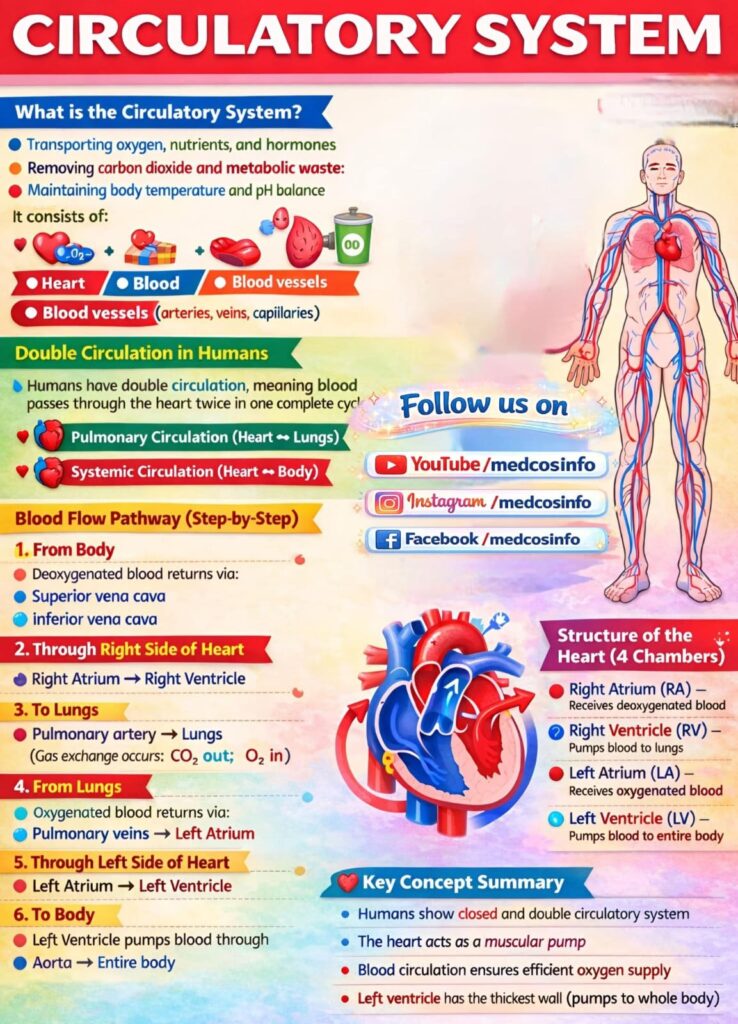
Cardiovascular disease (CVD) refers to a group of disorders affecting the heart and blood vessels, and it remains a major global health concern. The attached circulatory system image is a useful visual reminder that efficient blood flow depends on the heart, arteries, veins, and capillaries working in coordination .
The Circulatory System and CVD
The circulatory system delivers oxygen and nutrients to tissues and removes carbon dioxide and metabolic waste .
It includes the heart as a muscular pump and a vascular network that supports both pulmonary circulation, between the heart and lungs, and systemic circulation, between the heart and the rest of the body .
CVD develops when this system is impaired by narrowed arteries, blocked blood flow, weakened heart muscle, rhythm abnormalities, or vascular damage .
Because the heart pumps continuously, even moderate disruption can affect oxygen delivery to vital organs.
How Blood Moves Through the Body
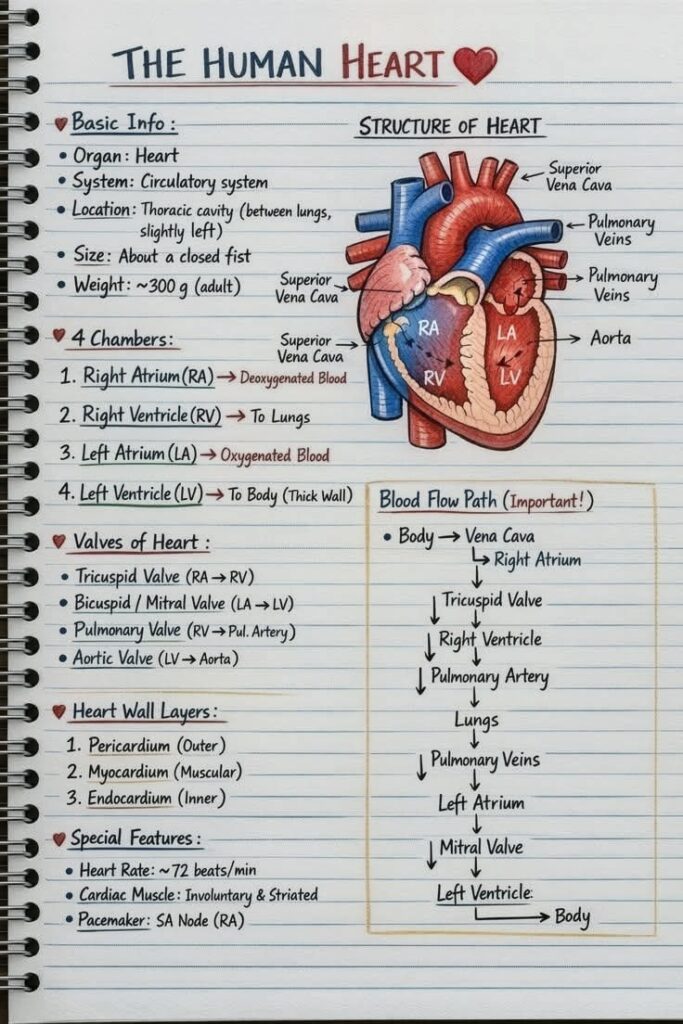
Deoxygenated blood returns to the right side of the heart, then moves to the lungs for gas exchange, where carbon dioxide is released and oxygen is absorbed
Oxygen-rich blood then returns to the left side of the heart and is pumped through the aorta to the entire body
This double circulation is essential for maintaining tissue oxygenation, organ function, and metabolic balance
The left ventricle is especially important because it generates the force needed to deliver blood throughout the body.
Common CVD Risk Factors
The most important modifiable risk factors include unhealthy diet, physical inactivity, tobacco use, harmful alcohol use, high blood pressure, high blood cholesterol, and raised blood glucose
Family history, age, sex, and certain ethnic backgrounds also influence risk
In clinical practice, many CVD cases progress silently for years before symptoms become obvious
That is why prevention and early detection are central to cardiovascular care
Symptoms That Need Attention
Typical symptoms can include chest discomfort, shortness of breath, fatigue, dizziness, sweating, palpitations, and swelling in the legs
In some patients, the first sign may be a heart attack or stroke, which makes symptom recognition especially important
Sudden weakness, facial drooping, speech difficulty, or numbness on one side of the body may suggest a cerebrovascular event and require urgent medical attention
Persistent chest pain or breathlessness should also be evaluated promptly
Prevention and Control
CVD risk can often be reduced through regular exercise, smoking cessation, a balanced diet, weight control, and alcohol moderation
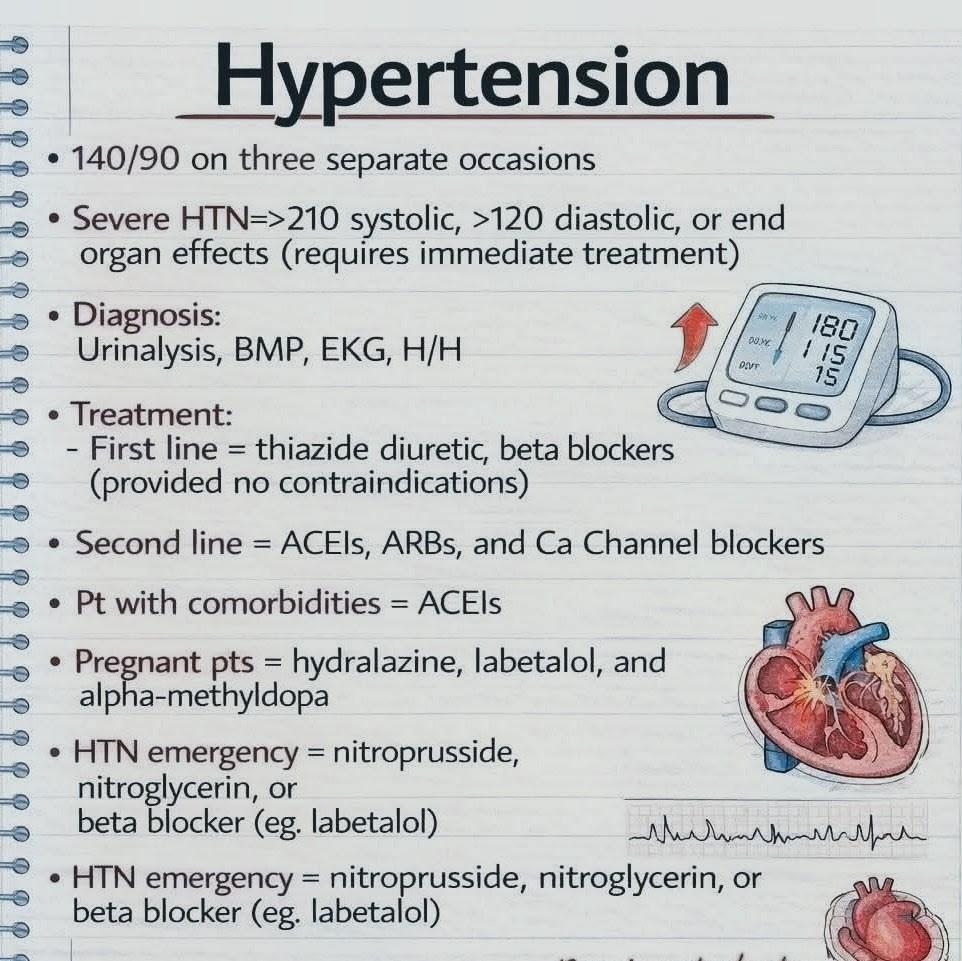
Blood pressure, glucose, and lipid levels should be monitored, especially in patients with additional risk factors
When lifestyle measures are not enough, medications and structured medical management may be needed to control hypertension, diabetes, dyslipidemia, or established heart disease .
Prevention works best when it is continuous rather than reactive
Conclusion
The circulatory system is the foundation of oxygen delivery and organ perfusion, and CVD represents the breakdown of that system . Understanding the normal blood flow pathway makes it easier to recognize why prevention, early diagnosis, and long-term control are essential in cardiovascular health.
Disclaimer
This content is for educational purposes only and should not be considered medical advice. Please consult a qualified healthcare professional for diagnosis and treatment.