
Understanding the SILENT Link : How Diabetes Impact your Kidney Health
Understanding the Silent Link: How Diabetes Impacts Your Kidney Health
At Renasta Lifesciences, we are committed to providing comprehensive solutions in Renal Nutrition and Supportive Care.
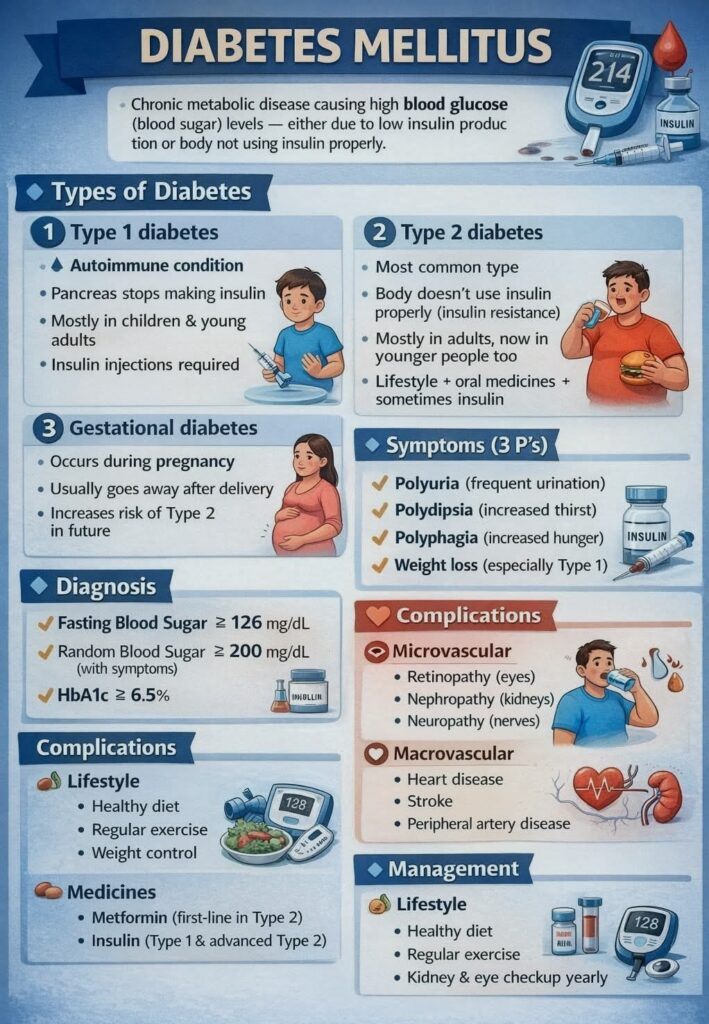
Managing your health requires understanding how different systems in the body interact. As shown in the infographic
Diabetes Mellitus is a chronic metabolic disease that can lead to significant microvascular complications, most notably
Nephropathy, which affects the kidneys.
The Connection:
Diabetes and Nephropathy
Diabetes occurs when blood glucose levels remain consistently high. Over time, these elevated sugar levels act like a slow-moving toxin to the small blood vessels throughout the body. When the “filters” in your kidneys (the nephrons) are damaged by high sugar, it leads to a condition called Diabetic Nephropathy.
As highlighted in the “Complications” section , nephropathy is a primary microvascular risk alongside eye and nerve damage.
Why Kidney Health Matters
Your kidneys are the body’s natural filtration system.
When diabetes causes nephropathy:
Waste buildup: The kidneys lose their ability to filter waste products from the blood effectively.
Protein Loss: Essential proteins may leak into the urine (Albuminuria), which is often an early sign of kidney stress.
Fluid Balance: Impaired kidney function can lead to fluid retention and high blood pressure, further damaging the renal system.
Early Warning Signs and Symptoms
While early-stage kidney issues often show no symptoms, keeping an eye on general diabetic markers is crucial.
Be mindful of the “3 P’s”:
Polyuria: Frequent urination.
Polydipsia: Increased thirst.
Polyphagia: Increased hunger.
If you experience these alongside unexplained swelling in the feet or ankles, it is vital to consult a specialist.
Management and Prevention
At Renasta Lifesciences, we advocate for a proactive approach to renal care. Effective management, as outlined in image it involves a combination of medical intervention and lifestyle changes:
1. Strict Glucose Control: Maintaining HbA1c levels below 6.5% can significantly reduce the risk of kidney damage.
2. Regular Screenings: Annual kidney checkups are essential for early detection.
3. Renal-Friendly Nutrition: A balanced diet helps manage the workload on your kidneys.
4. Physical Activity:Regular exercise supports overall vascular health.
By understanding the link between blood sugar and kidney function, we can take better steps toward long-term wellness.
Explore our range of **Antihypertensives** and **Renal Nutrition** products to support your journey.
Renasta Lifesciences
Dedicated to Renal Nutrition, Antihypertensives, and Supportive Care.
Disclaimer
This content is for educational purposes only and should not be considered medical advice. Please consult a qualified healthcare professional for diagnosis and treatment.